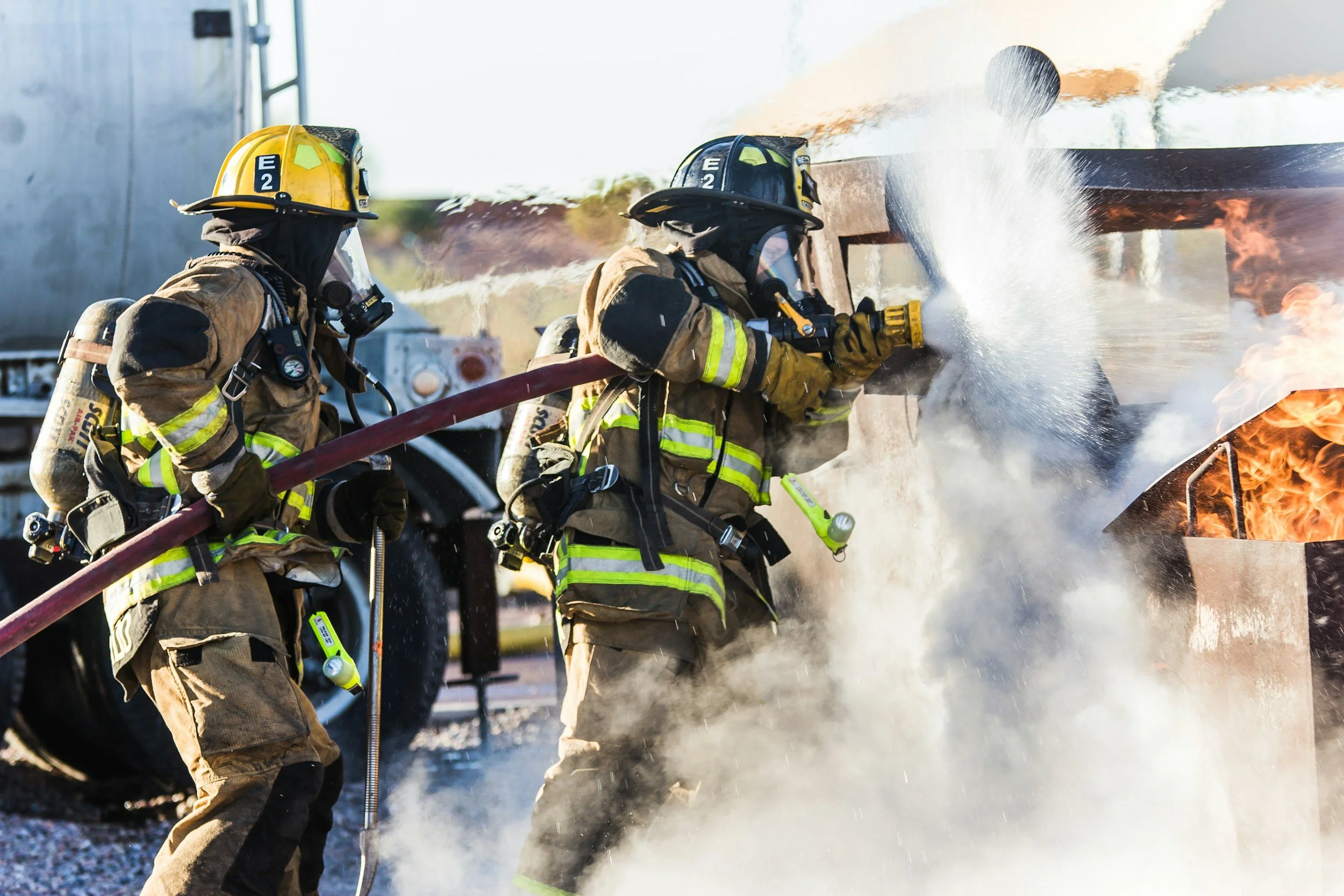
Asking for help requires a unique type of courage
First Responders
First responder work places unique demands on your nervous system, identity, and relationships. The cumulative impact of exposure, responsibility, and hypervigilance can show up in ways that are difficult to articulate, even to yourself.
Constant vigilance, responsibility, and emotional control are required in order to succeed within the culture and at the job. Over time, the cumulative impact of exposure, pressure, and moral complexity can take a toll - even for people who are highly capable and deeply committed to their roles.
Many first responders seek psychotherapy not because something is “wrong,” but so the weight of the job doesn’t stay contained forever.
Psychotherapy can offer a space to slow down, process what’s been carried, and reconnect with yourself without needing to explain or justify the realities of your work.
Next Steps
I offer a 15–20 minute consultation call to help determine whether working together feels right.
Common Reasons First Responders Reach Out
You do not need to be in crisis to seek support.
Accumulated exposure to critical incidents
Difficulty turning off hypervigilance
Sleep disruption or chronic tension
Emotional numbing or irritability
Relationship strain or identity shifts
Moral injury or values conflict